Protecting your skin from the sun is crucial in preventing melasma, a common condition causing dark patches on the face. Choosing the best sunscreen to prevent melasma means prioritizing broad-spectrum protection, ingredients that soothe and even skin tone, and formulations suited for sensitive or acne-prone skin. Below is a summary table of the top recommended sunscreens designed to help prevent melasma and protect your skin effectively.
| Product | SPF | Key Features | Brand |
|---|---|---|---|
| La Roche-Posay Anthelios UV Correct | 70 | Niacinamide, anti-aging, lightweight, non-greasy, blends well | La Roche-Posay |
| Kiehl’s Better Screen UV Serum | 50+ | Collagen peptide, invisible finish, boosts radiance, suitable for oily skin | Kiehl’s |
| MyChelle Dermaceuticals Sun Shield Stick | 50 | Natural zinc, water-resistant, safe for children, moisturizing | MyChelle Dermaceuticals |
| Cappuvini Anti Aging Sunscreen SPF 100 | 100 | Broad spectrum, non-greasy, invisible protection, for face and body | Cappuvini |
| Urban Skin Rx Sheerglow Mineral Moisturizer | 30 | Mineral-based, zinc oxide, weightless, brightens complexion, suitable for sensitive skin | Urban Skin Rx |
La Roche-Posay Anthelios UV Correct Sunscreen SPF 70
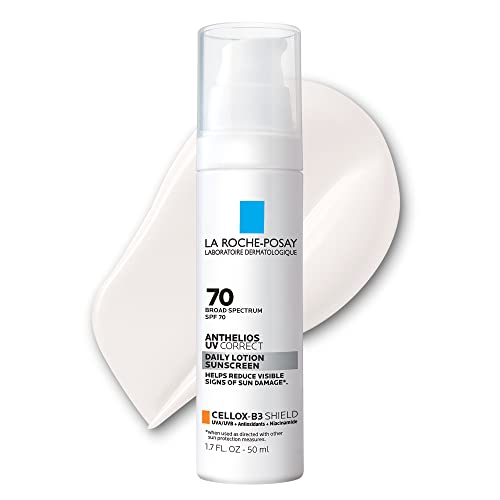
This anti-aging daily sunscreen with SPF 70 protects skin from sun damage including uneven skin tone, fine lines, and rough texture. It is clinically tested to blend seamlessly into all skin tones with a lightweight, non-greasy texture. The formula contains Niacinamide, known to help fade skin discoloration and enhance an even skin tone—perfect for those with melasma concerns. Its non-whitening sheer finish makes it easy to wear daily without feeling heavy.
Kiehl’s Better Screen UV Serum SPF 50+

This lightweight sunscreen serum offers SPF 50+ broad-spectrum protection with additional skincare benefits like collagen peptide to support skin elasticity. It provides an invisible finish suitable for all skin types—including oily and acne-prone skin. The formulation boosts skin radiance and works well under makeup, helping to prevent visible signs of aging and melasma-related discoloration. For optimal protection, apply generously and reapply every two hours.
MyChelle Dermaceuticals Sun Shield Stick SPF 50

This broad-spectrum mineral sunscreen stick uses SPF 50 natural zinc oxide providing excellent UVA and UVB protection. It is water-resistant for up to 80 minutes, suitable for active lifestyles. Enriched with vitamin E, jojoba, avocado, and cocoa seed butter, it moisturizes and protects skin while being free of chemical UV absorbers and harmful additives. Its stick format allows for easy, smooth application and is safe for sensitive skin including children.
Cappuvini Anti Aging Sunscreen SPF 100 for Face and Body

Offering powerful SPF 100 broad-spectrum protection, this sunscreen shields face and body from harmful UVA and UVB rays without leaving any visible residue. The formula is lightweight, non-greasy, and smooth, providing comfortable all-day wear. Designed for anti-aging purposes, this sunscreen helps maintain healthy skin while guarding against dark spots associated with melasma and sun damage.
Urban Skin Rx Pro Strength Sheerglow Mineral SPF 30
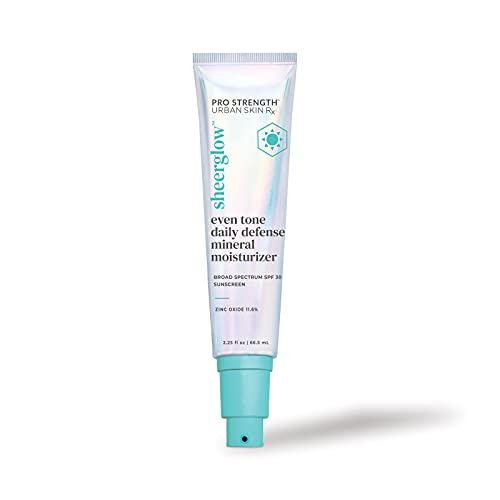
Formulated with finely milled zinc oxide mineral sunscreen, this SPF 30 moisturizer provides mineral-based broad-spectrum protection ideal for sensitive and acne-prone skin. Its weightless, hydrating texture brightens the complexion while helping prevent melasma and hyperpigmentation flare-ups. This sunscreen is virtually invisible after application, making it suitable for daily use as a gentle yet effective defense against sun damage.
Buying Guide: How to Choose the Best Sunscreen to Prevent Melasma
When selecting sunscreen to prevent melasma, consider the following important factors:
- Broad-Spectrum Protection: Ensure the sunscreen protects against both UVA and UVB rays, as both contribute to melasma development.
- SPF Rating: Sunscreens with SPF 30 or higher are recommended for effective protection. Higher SPF like 50 or even 70+ offers stronger defense for sensitive or melasma-prone skin.
- Skin Type Compatibility: Choose formulas suited to your skin type—whether oily, dry, sensitive, or acne-prone—to avoid irritation and breakouts while ensuring consistent use.
- Ingredients to Look For: Ingredients such as Niacinamide and zinc oxide help soothe skin, reduce inflammation, and prevent discoloration. Avoid chemical UV filters if you have sensitive skin.
- Non-Greasy and Lightweight Formulation: Sunscreens that absorb quickly and do not leave a heavy or oily residue encourage daily use, critical for melasma management.
- Additional Skincare Benefits: Some sunscreens also contain antioxidants, anti-aging compounds, or moisturizing agents that enhance skin health beyond sun protection.
- Water Resistance: Consider water-resistant formulas if you will be sweating or swimming to maintain protection.
- Application Form: Options include lotions, sticks, and serums—choose what fits your lifestyle and ease of use.
- Reapplication: Effective sun protection requires reapplying every two hours, so choose a product you feel comfortable applying frequently.
By focusing on these criteria, you can select a sunscreen that not only prevents melasma but also supports overall skin health and even skin tone.