The quest for calmer skin and a more even complexion often centers on serums that address redness and hyperpigmentation. The following selections are designed for American shoppers seeking clinically supported options, gentle formulas, and clear results. This guide highlights five serums with ingredients like azelaic acid, tranexamic acid, niacinamide, and vitamin C to help reduce redness and dark spots while supporting skin health.
| Product | Main Benefit | ||
|---|---|---|---|
| Anua Azelaic Acid 10% Hyaluronic Serum | Redness relief with hydrating touch | Azelaic Acid, Hyaluronic Acid, Niacinamide | Sensitive, all skin types |
| medicube TXA+Niacinamide 15% | Even tone and glow | Tranexamic Acid, Niacinamide, Panthenol | All skin types |
| La Roche-Posay Mela B3 Serum | Dark spot correction | Melasyl, 10% Niacinamide | All skin types |
| Good Molecules Discoloration Correcting Serum | Hyperpigmentation target | Tranexamic Acid, Niacinamide | All skin types |
| Pacifica Kale Yeah! Redness Rehab | Redness relief and balance | Niacinamide, super greens | Oily/combination |
Note: The table above summarizes five serums chosen for their potential to address redness and dark spots. Each product is evaluated for its balance of efficacy, gentleness, and suitability for common American skin concerns.
Anua Azelaic Acid 10% Hyaluronic Serum

ANUA’s redness-soothing serum combines 10% azelaic acid with a hydrating blend of hyaluronic acids and a calming complex. The formula is designed to calm visible redness and balance normal to sensitive skin. The azelaic component supports gentle reduction of irritation while helping to smooth uneven texture. A lightweight, non-greasy finish makes it suitable for daily use, particularly for those who experience redness from irritation or rosacea-like symptoms. The product emphasizes natural color cues and a soothing sensation on contact.
Key considerations for this serum include suitability for sensitive skin and a focus on long-lasting hydration. The presence of multiple hyaluronic acid forms aims to maintain moisture without heaviness, which can be a critical factor for consumers who worry about a serum feeling heavy or sticky. If you are seeking a redness-targeted option with a gentle approach to hydration, this serum provides a balanced blend of actives designed to support a calmer complexion over time.
Medicube TXA+Niacinamide 15% Glow Serum

This all-in-one serum targets uneven skin tone, texture, and hydration with a high-clarity formula. The kit includes a 5% tranexamic acid (TXA) concentration intended for post-spot care and brightening effects, complemented by 10-layer hyaluronic acid, panthenol, and betaine to support moisture and soothing properties. The product emphasizes a gentle, fragrance-free experience suitable for daily use, with calming ingredients like panthenol and coral moss extract. While potent, individual results may vary depending on skin type and conditions.
Considerations for this serum include its focus on after-spot care and the potential for noticeable brightening over time. For users dealing with persistent discoloration and uneven texture, the combination of TXA and hyaluronic-rich hydration offers a comprehensive approach. Users seeking a high-potency option for targeted spot care may find this product aligns with their routine, though those with very sensitive skin should monitor tolerance to active tranexamic acid.
La Roche-Posay Mela-B3 Serum
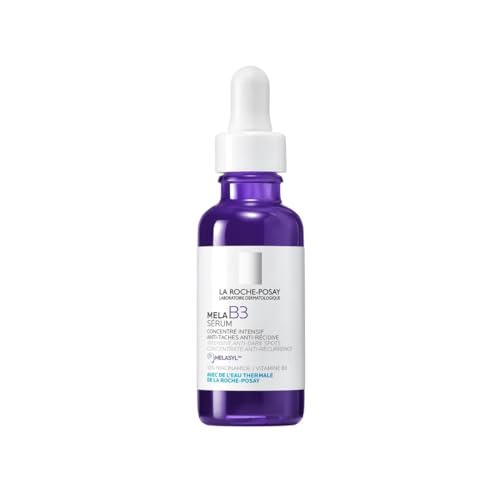
This dark spot corrector combines Melasyl and 10% niacinamide to address discoloration across sun spots, age spots, and post-inflammatory hyperpigmentation. The formula emphasizes a patented ingredient complex designed to target stubborn spots while respecting natural skin tone. The lightweight texture supports layering within a typical morning or evening routine. Over time, users may observe a more even complexion and reduced visibility of discoloration as the ingredients work to inhibit pigment formation and encourage balanced skin renewal.
Key decision points include the serum’s emphasis on long-term tone correction and the integrated Niacinamide boost. For consumers seeking a targeted solution that pairs well with sunscreen or other brightening steps, this option provides a credible, dermatologist-supported approach with a focus on results that are visible over weeks to months rather than immediate changes.
Good Molecules Discoloration Correcting Serum

This serum blends tranexamic acid and niacinamide to refine tone and texture while nourishing the skin. It is designed to target hyperpigmentation, scars, sunspots, and other discolorations with a hydrating base. The combination of 3% tranexamic acid and 4% niacinamide supports improved uniformity and a calmer surface. The product emphasizes a clean formula and an approachable price point, making it a common choice for users building a discoloration-focused regimen.
Users should consider the balance between brightening and potential sensitivity. The TXA+B3 combination is a well-known duo for correcting uneven tone, yet individuals with reactive or highly sensitive skin should monitor any tingling or irritation. Regular use alongside sunscreen can help maintain protection against future UV-induced discoloration, while consistent application may yield progressively smoother, brighter skin.
Pacifica Kale Yeah! Redness Rehab Serum

Pacifica’s redness rehab serum relies on niacinamide and a ‘super greens’ peptide complex to calm redness while supporting skin barrier resilience. The formula includes kale, apple fruit extract, and chlorophyll-rich botanicals to deliver antioxidants and hydration. Added soothing agents like bisabolol and allantoin enhance comfort for irritated or rosacea-prone complexions. The vegan formulation aligns with plant-forward skincare trends and aims to reduce visible redness and refine pores over time.
Key considerations for this option include its emphasis on redness reduction and barrier support. This serum may appeal to individuals who prefer a gentler, vegan formula with current botanical actives. While results can vary, steady use often yields a calmer, more even appearance and improved texture as the skin’s natural defenses are supported through antioxidants and peptides.
Buying Guide: Key Purchase Considerations And Comparisons
- Active ingredients and targets: Azelaic acid, tranexamic acid, niacinamide, and vitamin C are common choices. Azelaic acid calms redness and helps with texture; tranexamic acid targets pigmentation; niacinamide supports barrier health and reduces discoloration; vitamin C brightens and can fade spots when used consistently with sun protection.
- Skin type and sensitivity: If you have sensitive or reactive skin, prioritize fragrance-free formulas, gentle concentrations, and soothing ingredients like panthenol or bisabolol. Patch testing is recommended when trying a new active.
- Hydration vs. oil control: Serums with multiple forms of hyaluronic acid offer hydration without heaviness, which is ideal for those balancing oily or combination skin. Lighter textures help prevent clogging in pores while still delivering actives to the dermis.
- Long-term vs. short-term results: Expect gradual improvements over weeks to months with consistent use. Some products advertise rapid brightening, but real results typically accrue through cumulative use and sunscreen adherence.
- Sun protection: Many discoloration-focused serums can increase photosensitivity. Pair with a broad-spectrum sunscreen daily to prevent new spots and maintain progress.
- Allergen and ingredient considerations: Look for fragrance-free formulas if you have sensitive skin. Check for potential irritants based on personal history, such as high concentrations of active acids.
- Brand transparency and testing: Consider products with dermatological backing, clinical trial references, or third-party testing information that supports claims about pigmentation reduction and redness relief.
- Budget and routine integration: Some serums offer more value through multi-benefit formulas. Weigh the price against the expected frequency of use, bottle size, and compatibility with existing skincare steps.
In selecting a serum, users should align product choice with their primary concern—redness, dark spots, or a combination of both—while maintaining a consistent, sun-protective skincare routine. The options listed above provide varied approaches, from azelaic-acid-led calming formulas to tranexamic-acid-focused lighteners, all aimed at improving skin tone and overall clarity.