Dry, cracked feet are a common concern for many Americans, especially during colder months or after long days on your feet. The right foot cream can restore moisture, soften calluses, and protect skin from further damage. This guide highlights five reliable options designed to soothe severe dryness, support skin healing, and keep feet comfortable throughout daily activities. Each product below is backed by proven ingredients and broad availability on Amazon, helping you compare formulas without guesswork.
You’ll find creams with high concentrations of urea, nourishing oils like shea butter and coconut oil, and exfoliating agents that remove dead skin. Read the product sections to understand what makes each option best for different needs—whether you want fast relief, overnight repair, or long-lasting moisture.
| Product | Brand | Notable Benefit |
|---|---|---|
| O’Keeffe’s Healthy Feet Foot Cream (3.2 oz) | O’Keeffe’s | Long-lasting moisture and repair for extremely dry, cracked feet |
| Dr. Scholl’s Dry, Cracked Foot Repair Ultra-Hydrating | Dr. Scholl’s | 25% urea for deep hydration and healing |
| Ebanel Urea Cream 40% For Feet | Ebanel | 40% urea with barrier-supporting oils and exfoliation |
| NUVADERMIS 40% Urea Foot Cream | NUVADERMIS | Maximum-strength hydration with exfoliation and repair |
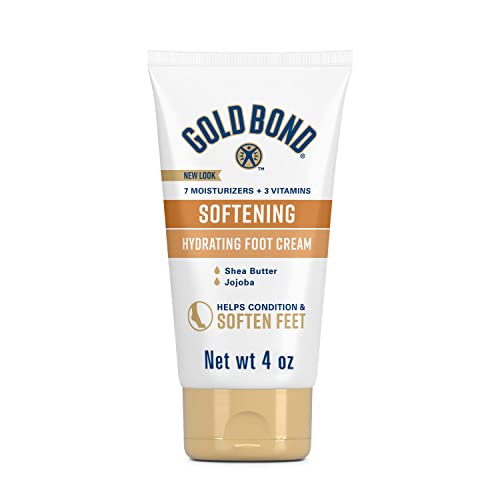
| Gold Bond Softening Foot Cream | Gold Bond | Shea butter and vitamins to soften rough feet |
O’Keeffe’s Healthy Feet Foot Cream

O’Keeffe’s Healthy Feet is a concentrated foot cream designed to heal, relieve, and repair extremely dry, cracked feet. The product creates a protective layer on the skin’s surface, helping to lock in moisture so even the driest areas feel hydrated and healthier. It is a strong, fast-acting option often preferred for severe dryness and persistent cracking. The formula is described as intense yet soothing, making it a suitable nightly treatment or daily booster for ongoing foot care. Regular use aims to reduce the appearance of deep fissures and maintain skin softness over time.
Usage guidance emphasizes simplicity: apply to clean, dry feet and massage until fully absorbed. For best results, outside of peak dry periods, consider applying at night and wearing socks to maximize moisture retention. Those with extremely cracked feet may notice quicker relief with consistent nightly use and a morning routine that includes light reapplication if needed. The product’s concentrated nature means a small amount goes a long way, which supports long-term maintenance rather than frequent repurchases.
Who should consider this option? Individuals seeking a high-strength moisturizer that prioritizes repair and hydration for very dry, cracked skin. It pairs well with exfoliating steps on select days, though it stands strong as a stand-alone daily treatment. If you have sensitive skin or prefer fragrance-free products, verify compatibility before extended use to ensure comfort and skin tolerance.
Dr. Scholl’s Dry, Cracked Foot Repair Ultra-Hydrating
Dr. Scholl’s Dry, Cracked Foot Repair Ultra-Hydrating Foot Cream features a professional-strength blend that includes 25% urea, essential oils, and Epsom salt. This combination is designed to smooth and soften the toughest dry, cracked feet, delivering deep hydration that can last up to 24 hours. The high urea content helps to dissolve and loosen thick calluses while restoring suppleness to hardened skin, making it a strong choice for persistent dryness and cracking. The formula is intended to calm discomfort and support healthier skin with regular use.
Application tips focus on thorough coverage: apply to clean, dry feet, paying particular attention to rough areas. For best results, massage until fully absorbed and consider wearing socks after application to enhance moisture retention, especially overnight. If you experience any irritation, discontinue use and consult a clinician. Use with care around sensitive areas and avoid contact with eyes or mucous membranes. This cream is typically used as part of a broader foot-care routine that targets both moisture and barrier restoration.
Ideal users include those with deeply cracked heels or chronic dryness who want a robust, long-lasting moisturizer. Its scent and texture are generally acceptable for everyday use, though fragrance sensitivity may vary. Regular formula application can complement a pedicure routine and any footwear that contributes to ongoing dryness, offering a reliable path to softer, more comfortable feet over time.
Ebanel Urea Cream 40% For Feet

Ebanel Urea Cream 40% is a maximum-strength foot treatment designed to repair and protect very dry, cracked skin. The formula combines 40% Urea with nourishing emollients such as Shea Butter, Coconut Oil, Jojoba Oil, Hyaluronic Acid, and Vitamin E to lock in moisture and restore suppleness. It also features exfoliating support with 2% Salicylic Acid and Epsom Salt, helping to soften dead skin and reduce buildup on heels and other rough areas. The cream is marketed for skin barrier repair and even includes use on nails and cuticles as part of a broader keratolytic approach when used as directed.
Practical use notes emphasize gentle, consistent application to affected areas. For best outcomes, apply to clean, dry feet and massage until absorbed. Because it contains salicylic acid, users with sensitive or damaged skin may want to start slowly or perform a patch test before broader use. The product is suitable for those seeking a potent blend that not only moisturizes but also exfoliates and supports healthier-looking nails with regular use.
In terms of suitability, this option suits individuals with stubborn dry patches and thick calluses who require both hydration and controlled exfoliation. Given its high-strength formulation, it’s often used as part of a targeted foot-care plan rather than a quick daily moisturizer. Consistency is key, and combining it with routine foot care (soaks, gentle brushing, and moisturization) can optimize results over weeks to months.
NUVADERMIS 40% Urea Foot Cream

NUVADERMIS Urea Cream 40% is a maximum-strength foot cream that targets severe dryness and cracking. Its formula centers on 40% Urea for deep hydration, supported by 2% Salicylic Acid to gently exfoliate rough skin. The blend also includes Shea Butter, Tea Tree Oil, Vitamin E, and other moisturizers to nourish skin and bolster barrier repair. This combination can help soften calluses while promoting smoother, more flexible skin at the heels, toes, and other foot areas prone to dryness. Regular use supports ongoing moisture retention and improved texture over time.
Usage guidance emphasizes hydration-first care: apply to cleansed feet, focusing on areas that feel the driest or are visibly cracked. The acid components aid in mild exfoliation, so avoid overuse on sensitive skin and start with small amounts. Patch testing is advised if you have sensitive skin, and users should observe how the skin responds over the first week. Pair with daily moisturizing for best results and consider seasonal changes that exacerbate dryness.
This product is well-suited for individuals seeking a strong, multi-benefit formula that hydrates deeply while addressing dead skin. It can be especially helpful for those who have experienced limited relief from gentler creams and want a more intensive routine to restore comfort and skin resilience over time.
Buying Guide
Choosing the right foot cream depends on your skin’s dryness level, any existing conditions, and how you plan to use the product. Here are key considerations to help you compare options effectively.
- Hydration strength: Higher percentages of urea (20%–40%) provide deeper softening and moisture retention, which is helpful for extremely dry or cracked feet. For milder dryness, lower concentrations or blend-based formulas may be sufficient.
- Exfoliation vs. repair balance: Urea-based products often combine hydration with gentle exfoliation (via salicylic acid or physical scrubs). If you want gentler daily care, choose formulas with milder exfoliants or dedicated barrier-repair ingredients like hyaluronic acid, ceramides, or shea butter.
- Barrier support: Look for ingredients that boost the skin’s protective barrier (ceramides, hyaluronic acid, essential fatty acids) to prevent future moisture loss and improve resilience against daily wear and environmental factors.
- Texture and absorption: Thick creams stay put and provide lasting moisture, while lighter lotions absorb quickly for daytime use. Consider your daily routine and whether you prefer a fast-absorbing formula or a heavier nighttime option.
- Targets and usage: Some formulas are optimized for heels and calluses, others for general dry skin on feet, hands, or knees. If you have persistent calluses, a keratolytic approach with exfoliating acids may be beneficial, but monitor skin sensitivity.
- Allergies and sensitivities: Fragrance-free options are ideal for sensitive skin, while others may include essential oils or aromatic additives. Patch testing helps prevent irritation.
- Price and value: Compare cost per ounce and consider how long a tube or jar lasts with your typical usage. Higher-strength products may require less frequent application to achieve the same results.
When evaluating products, align the formula’s strengths with personal needs: intense overnight repair for very dry feet, daily maintenance for ongoing hydration, or exfoliation-focused care to remove stubborn dead skin. A combination approach—one product for daily use and a targeted treatment for problem areas—often yields the best long-term results for dry feet.