Keeping lips hydrated requires more than a glossy finish. Carrier oils provide the base for lip balms and DIY treatments that lock in moisture, reduce flakiness, and shield lips from environmental stress. This guide reviews five widely available carrier oils that suit American readers seeking lip care, skin nourishment, and multi-use options. Use the summary table to compare basics at a glance, then dive into product details and practical tips for choosing the right oil for your lips.
| Product | Brand | Size | Core Benefit For Lips |
|---|---|---|---|
| Majestic Pure Fractionated Coconut Oil | Majestic Pure | 16 fl oz | Light, non-greasy base for lip balms and moisturizers |
| Sweet Almond Oil | Plant Guru | 4 fl oz | Fragrance-free, lightweight nourishment with vitamins A & E |
| Garden of Life Jojoba Oil | Garden of Life | 4 fl oz | Sebum-like emollient ideal as a lip care carrier |
| Gya Labs Carrot Seed Oil | Gya Labs | 1 fl oz | Nourishing base for skin and DIY lip blends |
| Macadamia Nut Oil | Plant Guru | 4 fl oz | Emollient with fatty acids for rich lip care |
Majestic Pure Fractionated Coconut Oil – 16 fl oz

Majestic Pure Fractionated Coconut Oil is a liquid coconut oil fraction rich in medium-chain triglycerides (MCTs). This oil remains liquid at room temperature, delivering a light, odorless base that glides onto the lips without leaving a heavy or greasy feel. Its clear-to-yellow tint blends easily with other ingredients, making it a popular DIY lip balm carrier. It washes out easily from fabrics and has a long shelf life, reducing the need for frequent repurchase. In lip care, it serves as a non-staining, non-greasy foundation to mix with waxes, vitamin E, or safe essential oil drops for custom balms. Use externally only and patch-test before use, especially for sensitive lips or those with allergies. Store away from heat and light.
Sweet Almond Oil 4 Fl Oz

Sweet almond oil is 100% pure and natural, extracted via cold-press from Prunus dulcis kernels. The listing highlights fragrance-free, hexane-free, preservative-free, chemical-free, and vegan qualities, with a cold-pressed method that preserves vitamins A and E. It’s lightweight and fast-absorbing, making it an excellent base for lip moisturizers, lip balms, and formulations that require quick uptake without a heavy residue. For lip care, this oil smooths dry lips and blends well with other oils and waxes in DIY recipes. Always conduct a patch test for sensitivity, particularly if you have nut allergies, and avoid applying near the eyes.
Garden of Life Jojoba Oil 100% Organic & Pure Golden Jojoba Oil
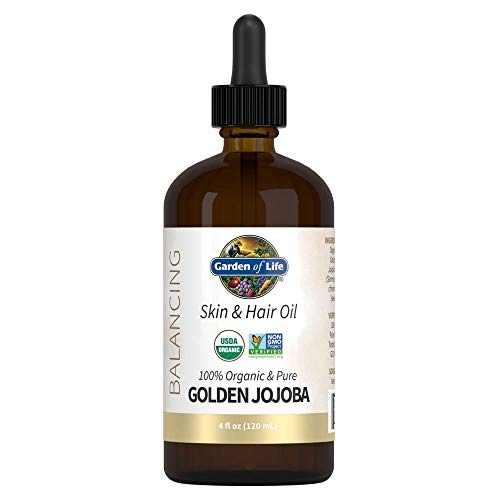
The product listing for Garden of Life Jojoba Oil emphasizes immune-support features for a probiotic product rather than the jojoba oil itself. While the quoted features discuss Dr. Formulated Platinum Series Immune+ Probiotics and other probiotic benefits, jojoba oil remains a widely used lip-care carrier due to its sebum-like composition and long-lasting emolliency. Jojoba oil helps soften and condition lips without being overly heavy, and it blends easily with butters and waxes in DIY balms. When used for lips, apply sparingly to avoid any potential residue and test first if you have sensitive skin. Note: the probiotic features listed are not specific to this oil’s lip-care use.
Gya Labs Carrot Seed Oil – 1 Fl Oz

Carrot seed oil is a 100% pure, natural carrier that can elevate skin care routines and lip blends. Suitable for all skin types, it is commonly used to nourish the skin and scalp. For lips, adding 1-2 drops to a base oil or a small amount of your DIY lip serum can boost nourishment, while hair use typically involves 2-3 drops applied to the scalp or strands twice weekly. The oil is also popular for DIY self-care products like lotions and balms. Carrot seed oil offers a nutrient-rich addition to lip care formulas, especially when combined with lighter bases to prevent overpowering the lips’ natural moisture balance.
Macadamia Nut Oil 4 Fl Oz

Macadamia nut oil is 100% pure and natural, derived from premium macadamia nuts, and cold-pressed to preserve beneficial fatty acids. It is free from GMOs, additives, or hexane, presenting a clean single-ingredient option ideal for lip care. Its rich emollient profile supports soft, hydrated lips and can be used in lip balms, lip serums, or DIY moisturizers. The oil’s subtle texture makes it a good base for more nourishing lip formulations that aim to provide longer-lasting moisture without a greasy feel. Always store in a cool, dry place to maintain freshness.
Buying Guide
When selecting a carrier oil for lips, consider texture, absorption, and compatibility with your DIY formulas. A light, non-greasy base like fractionated coconut oil works well for quick hydration and mixing with wax-based balms, while jojoba and macadamia oils offer richer emollience for very dry or chapped lips. Sweet almond oil adds a vitamin-rich, fast-absorbing option that blends easily with other ingredients but may not be suitable for nut-sensitive individuals. Carrot seed oil provides nutrients but is potent, so use it sparingly and always dilute in a carrier oil to protect lips.
- Texture and absorption: For daily lip use, prioritize light, non-greasy bases (e.g., fractionated coconut oil, almond oil). For intensely dry lips, consider jojoba or macadamia oils for longer-lasting moisture.
- Purity and source: Choose cold-pressed, 100% pure oils when possible. Verify that products are free from solvents, additives, and synthetic fragrances if you have sensitive lips.
- Safety and patch testing: Always patch-test a new oil on a small area of skin before applying to lips, especially if you have allergies or sensitive skin.
- Multi-use versatility: Oils that double as facial moisturizers or hair-care bases can simplify your routine and reduce clutter, making carrier oils a practical choice beyond lip care.
- Storage and shelf life: Keep oils in a cool, dark place to maintain freshness and prevent rancidity. Use dark glass bottles when possible and seal tightly after each use.
- DIY balance and blends: For lip balms, calculate the oil-to-wax ratio and experiment with small batches. If adding essential oils, use only those safe for lip use and dilute to safe dilutions (usually around 0.5–1% for lips).
The right carrier oil depends on your skin type, lip dryness level, and whether you prefer fragrance-free formulas. For a simple daily base, fractionated coconut oil or sweet almond oil offers a smooth, quick-absorbing solution. If you want richer moisture for persistent dryness, jojoba or macadamia oils provide deeper emollience. Carrot seed oil can enhance nourishment in DIY blends but should be used sparingly. By choosing a pure, well-stored oil and following basic safety steps, you can create effective lip care products tailored to your needs.